The debate between functional and aesthetic training has shaped gym culture for decades. On one side, proponents of functional training argue that exercise should develop physical capabilities that transfer directly to real-world movement demands. On the other, aesthetic training advocates prioritise hypertrophy, symmetry, and body composition as primary training outcomes. In practice, most gym-goers land somewhere between these poles, often without clearly defined positions on either side.
Understanding what each approach actually delivers over five, ten, and twenty year training timelines, and how each affects health, physical capacity, and quality of life across the adult lifespan, should inform how individuals structure their time at a fitness gym singapore residents use for long-term health investment.
Defining Functional Training in the Modern Gym Context
Functional training, in its most rigorous definition, refers to exercise that develops movement patterns and physical qualities that transfer to the specific physical demands of a person’s life or sport. A firefighter training for occupational demands has different functional requirements than a recreational tennis player or a sedentary office worker seeking to move better in everyday life.
In the commercial gym context, functional training has become associated with a specific set of movement characteristics:
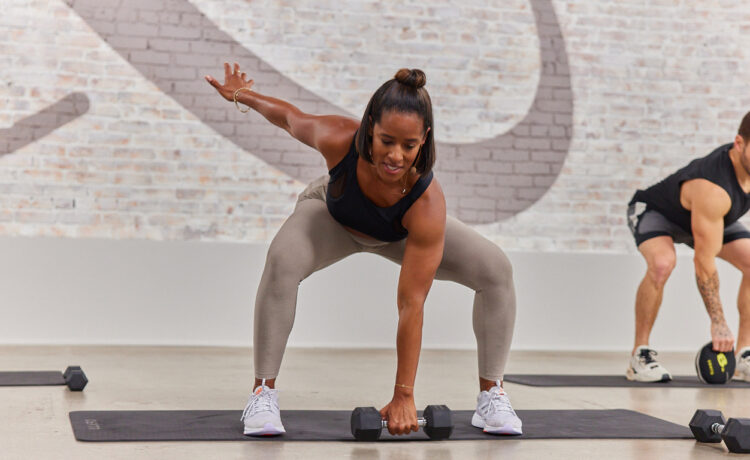
- Multi-joint, multi-planar movement patterns that engage multiple muscle groups simultaneously
- Unstable surface training that challenges proprioception and balance alongside strength
- Rotational and anti-rotational core training rather than isolated spinal flexion exercises
- Loaded carries, hinges, pushes, and pulls that reflect natural human movement patterns
- Integration of mobility and stability demands within strength exercises
The quality of functional training varies enormously. At its best, it is intelligently programmed to develop movement efficiency, joint resilience, and physical capacity that improves everyday quality of life. At its worst, it becomes an excuse to use unusual equipment in complex ways that impress observers without producing meaningful training adaptation.
Aesthetic Training and Its Actual Outcomes
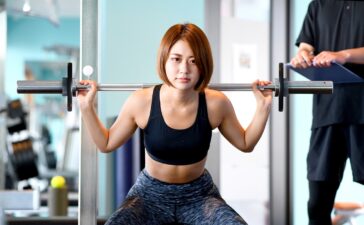
Aesthetic training, centred on hypertrophy and body composition, uses training methods designed to maximise muscle growth and minimise body fat. This typically involves isolation exercises targeting specific muscle groups, higher training volumes, and strategic exercise selection for symmetrical muscular development.
The long-term health outcomes of aesthetic training are often underappreciated by its critics. Building and maintaining significant muscle mass through consistent hypertrophy-focused training produces:
- Improved insulin sensitivity and glucose metabolism through increased muscle tissue
- Higher resting metabolic rate that supports healthy body weight maintenance across the adult lifespan
- Greater bone density through the mechanical loading associated with resistance training
- Improved joint stability through the strengthening of muscles surrounding major joints
- Meaningful protection against age-related sarcopenia, which is one of the strongest predictors of disability and reduced quality of life in older age
The criticism that aesthetic training produces “non-functional” muscle is largely unfounded when the training involves compound movements and progressive overload. The distinction between functional and aesthetic outcomes in well-structured resistance training is less clear than the debate suggests.
Where the Real Differences Lie
The meaningful long-term differences between functional and aesthetic approaches emerge in specific areas:
Movement quality and injury resilience: Functional training approaches that emphasise movement pattern quality, joint mobility, and multi-planar strength tend to produce better movement health outcomes over long training timelines. Aesthetic training that neglects mobility, movement quality, and posterior chain development can create muscular imbalances that contribute to chronic joint issues, particularly at the shoulder, lower back, and knee.
Transfer to daily physical demands: Functional training more directly develops the movement capabilities used in everyday activities and recreational sport. A person who trains primarily through isolation machine-based aesthetic work may develop impressive physique outcomes while remaining relatively limited in their ability to perform complex movement tasks outside the gym.
Motivational sustainability: Aesthetic training goals are highly visible and measurable, which can support long-term motivational adherence for individuals who respond well to physique-oriented feedback. Functional training outcomes are less visually obvious but often feel more meaningfully connected to overall quality of life, which sustains motivation differently.
Adaptability across the lifespan: Functional training approaches that prioritise movement quality and joint health tend to remain more accessible and appropriate across a wider age range. High-volume aesthetic training becomes increasingly difficult to recover from as training age increases, often requiring programme modifications that shift the approach closer to functional training principles anyway.
The Most Effective Long-Term Approach
The evidence points clearly toward an integrated approach as the most effective long-term fitness gym strategy. Compound multi-joint movements form the foundation, delivering both functional movement development and hypertrophic stimulus simultaneously. Isolation exercises complement this foundation by addressing specific muscle development needs and correcting imbalances identified through movement assessment.
Progressive overload, applied to both movement quality and training load, drives continuous adaptation without the accommodation that limits single-approach training programmes. Mobility and flexibility work, often neglected in both functional and aesthetic training frameworks, is incorporated as a non-negotiable component of long-term joint health maintenance.
TFX Singapore takes an integrated approach to fitness programming, developing members’ physical capacity across movement quality, cardiovascular endurance, and muscular strength simultaneously rather than prioritising any single training dimension at the expense of others.
FAQ
Q: Is machine-based training inferior to free weight training for functional outcomes? Machines are not inherently inferior but they constrain movement to fixed planes, which limits multi-planar motor pattern development. Free weight training requires greater stabiliser activation and allows more natural movement paths. A programme that combines both produces better overall outcomes than exclusive reliance on either.
Q: How much of a fitness gym programme should be dedicated to mobility work? A minimum of ten to fifteen percent of total training time dedicated to mobility and flexibility work is a practical guideline for most adults. Individuals with significant movement restrictions or those recovering from injury may benefit from a higher proportion until movement quality is restored.
Q: Can aesthetic training goals and functional training outcomes coexist in the same programme? Yes, and the best gym programmes integrate both. Compound movements like squats, deadlifts, and pull-ups develop functional strength and hypertrophy simultaneously. Isolation exercises address specific aesthetic goals without conflicting with functional development when sequenced appropriately within the overall programme.
Q: At what age should the balance between aesthetic and functional training shift? From the mid-forties onward, progressive emphasis on movement quality, joint mobility, and injury prevention alongside maintained resistance training volume is generally appropriate. This does not mean abandoning aesthetic goals but reflects the increasing importance of training sustainability and movement health as training priorities as the lifespan progresses.