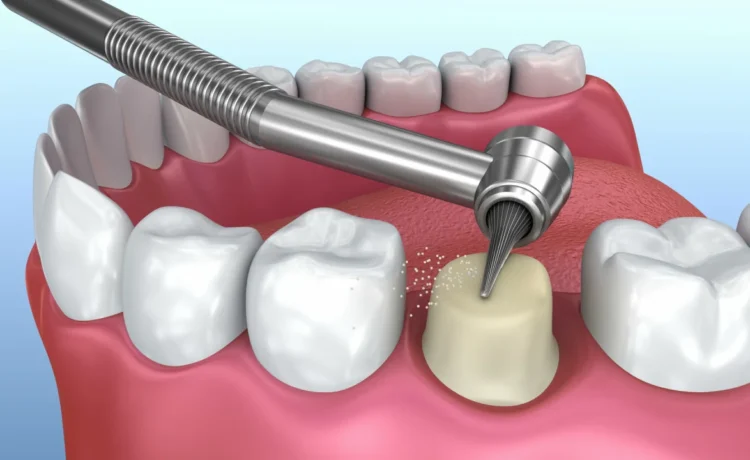
Dental health plays a critical role in maintaining overall wellbeing, comfort, and quality of life. When a tooth becomes damaged, weakened, or heavily restored, dental crowns provide a dependable solution to restore both strength and appearance. These custom-made caps are designed to cover a tooth completely, protecting it from further damage while preserving the natural structure underneath. Modern dental crowns are carefully crafted using durable materials and advanced techniques, allowing patients to maintain a healthy bite and natural-looking smile for years to come.
Understanding Dental Crowns and Their Purpose
Dental crowns are protective restorations placed over teeth that are cracked, decayed, weakened, or cosmetically compromised. Their primary purpose is to reinforce the tooth structure while restoring its original shape, size, and function.
Dentists often recommend crowns after root canal therapy, for large fillings that weaken the tooth, or when teeth are severely worn or fractured. In addition to functional repair, crowns are commonly used to improve the appearance of misshapen or discoloured teeth. Because crowns fully encase the visible portion of the tooth above the gumline, they provide strong structural reinforcement while maintaining a natural aesthetic.
Modern crowns are typically made from materials such as porcelain, ceramic, zirconia, or porcelain-fused-to-metal. Each material offers different advantages in terms of durability, appearance, and suitability depending on the tooth’s location and the patient’s bite pressure. With proper care and professional placement, crowns can last many years while preserving oral health.
Signs You May Need a Dental Crown
Not every damaged tooth requires a crown, but certain conditions make this restoration the most effective treatment option. Recognising the signs early allows patients to seek timely dental care before problems worsen.
A dentist may recommend a crown if a tooth has a large filling that compromises its structure or if the tooth is cracked, fractured, or severely worn down. Teeth that have undergone root canal treatment are also commonly restored with crowns to prevent breakage.
Other indications include persistent tooth sensitivity, weakened enamel due to grinding, or cosmetic concerns such as uneven or heavily stained teeth that cannot be corrected with whitening alone.
By addressing these issues early, crowns help prevent further deterioration that could lead to tooth extraction or more complex dental treatments. This proactive approach protects both oral function and long-term dental stability.
Materials and Technology Behind Modern Crowns
Advancements in dental technology have significantly improved the durability and appearance of dental crowns. Today’s restorations are designed not only for strength but also for seamless integration with surrounding teeth.
Porcelain and ceramic crowns are popular for front teeth because they mimic the translucency and colour of natural enamel. Zirconia crowns are highly durable and often recommended for molars where strong chewing forces occur. Porcelain-fused-to-metal crowns combine strength and aesthetics, offering a balanced option for many patients.
Digital imaging and CAD/CAM technology now allow dentists to design crowns with exceptional precision. This technology ensures a comfortable fit, improved bite alignment, and natural contours that match the patient’s existing teeth.
The result is a restoration that feels natural, functions effectively, and blends harmoniously into the smile without appearing artificial or bulky.
Factors That Influence the Cost of Dental Crowns
Dental crown pricing can vary depending on several factors, including materials, complexity of treatment, and the dental clinic providing care. Understanding these elements helps patients make informed decisions about their oral health investments.
The type of crown material often has the greatest impact on cost. Zirconia and all-ceramic crowns may be more expensive due to their durability and aesthetic advantages. Laboratory work, custom fabrication, and digital design technology can also influence the final price.
Other considerations include whether additional procedures are required, such as root canal therapy, gum treatment, or tooth build-up prior to crown placement. Dental insurance coverage and geographic location may also play a role in overall treatment costs.
Patients seeking detailed information about pricing and treatment factors can learn more through this guide on what affects the cost of a dental crown, which explains how dentists determine crown fees and what patients should expect during the process.
Maintaining Your Dental Crown for Long-Term Protection
While dental crowns are designed for durability, proper care is essential to ensure they last as long as possible. Maintaining good oral hygiene habits plays a vital role in protecting both the crown and the underlying tooth.
Regular brushing twice daily with fluoride toothpaste, flossing around the crown margins, and attending routine dental check-ups help prevent decay and gum disease that could compromise the restoration. Dentists also recommend avoiding excessive chewing on very hard objects such as ice or hard candies, which could damage the crown over time.
Patients who grind their teeth may benefit from wearing a custom night guard to protect both crowns and natural teeth from excessive pressure during sleep.
Beyond physical protection, restoring damaged teeth with crowns can have a meaningful impact on self-confidence. A strong, healthy smile supports comfortable speaking, eating, and social interaction. For many people, this contributes significantly to improved social confidence and everyday wellbeing, highlighting how functional dental treatments can enhance both oral health and quality of life.