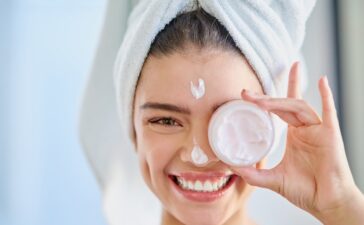
Investing in high-quality skin care products is only half the battle. If you apply them in the wrong order, you might be wasting your money and risking skin irritation. Product layering is a science rooted in molecular weight and skin absorption. When done correctly, your routine maximizes the efficacy of each active ingredient, ensures deep hydration, and protects your skin barrier from environmental aggressors.
This comprehensive guide will break down the exact sequence for morning and evening skin care routines, explain the science behind product order, and help you get the absolute most out of your daily regimen.
The Golden Rule of Skin Care Layering
If you remember nothing else, memorize this fundamental rule: apply your products from thinnest to thickest consistency.
Products with a fluid, watery texture have low molecular weights. They are designed to penetrate the skin quickly and deeply. Conversely, heavy creams and oils have large molecular weights. They act as occlusives, sealing in moisture and creating a protective barrier on the surface. If you apply a thick moisturizer before a water-based serum, the serum cannot penetrate the heavy barrier, rendering its active ingredients useless.
Your Step-by-Step Morning Skin Care Routine
The primary goal of your morning routine is protection. During the day, your skin faces ultraviolet radiation, pollution, and environmental stress. Your morning steps should focus on hydration, antioxidant defense, and sun protection.
Step 1: Cleanser
Start your morning with a gentle cleanser to remove oil, sweat, and the remnants of your nighttime products. If you have very dry skin, a rinse with lukewarm water may suffice, but most skin types benefit from a mild, non-stripping water-based cleanser. Clean skin provides a blank canvas, ensuring subsequent steps absorb efficiently.
Step 2: Toner or Essence
Toners and essences are optional, but they provide an immediate burst of hydration. Modern toners are not the harsh, alcohol-laden astringents of the past. Instead, they are infused with humectants like hyaluronic acid or soothing agents like rosewater and centella asiatica. Apply these to slightly damp skin to prime your face for the treatments that follow.
Step 3: Targeted Serums
Serums are concentrated formulations designed to address specific skin concerns. In the morning, your priority should be an antioxidant serum, specifically Vitamin C.
-
Vitamin C (Ascorbic Acid): Neutralizes free radicals caused by UV rays and pollution, brightens hyperpigmentation, and boosts collagen production.
-
Application Tip: Allow your serum to absorb for sixty seconds until the skin feels slightly tacky before moving to the next step.
Step 4: Eye Cream
The skin around your eyes is thinner and more delicate than the rest of your face, making it prone to early signs of aging and dehydration. Applying eye cream before your facial moisturizer ensures that this sensitive area receives targeted active ingredients, like caffeine for puffiness or peptides for fine lines, without interference from heavier lotions.
Step 5: Moisturizer
Even if you have oily skin, moisturizer is a non-negotiable step. A good morning moisturizer hydrates the skin and locks in the benefits of your serum. Look for lightweight lotions or gel-creams containing ceramides, glycerin, or fatty acids. These ingredients fortify the skin barrier without feeling heavy under makeup.
Step 6: Sunscreen (SPF)
Sunscreen is the absolute most important step in your morning routine. It is your primary defense against premature aging, skin cancer, and hyperpigmentation.
-
Type: Use a broad-spectrum sunscreen with an SPF of at least 30.
-
Amount: Apply a nickel-sized amount (or the length of two fingers) to your face and neck.
-
Placement: Sunscreen must always be the final step of your skin care routine. Putting anything on top of it, other than makeup, will disrupt the protective film it creates on your skin.
Your Step-by-Step Evening Skin Care Routine
The night is when your skin goes into repair mode. Cell turnover increases, and the skin works to undo the damage accumulated during the day. Your evening routine should focus on deep cleansing, targeted treatment actives, and rich hydration.
Step 1: The Double Cleanse
An evening routine should always begin with a double cleanse, especially if you wear makeup or water-resistant sunscreen.
-
Part 1 (Oil-Based Cleanser): Use a cleansing oil or balm to break down makeup, sebum, and sunscreen. Massage it onto dry skin, then rinse with warm water.
-
Part 2 (Water-Based Cleanser): Follow up with a water-based gel or cream cleanser to remove any remaining residue and deeply clean the pores.
Step 2: Toner, Essence, or Hydrating Mists
Just like the morning, applying a hydrating toner or essence prepares your skin to receive the treatments that follow. Skip any toners that contain exfoliating acids if you plan to use strong actives in the next step, as this can cause irritation.
Step 3: Eye Cream
Apply a nourishing eye cream to protect the delicate eye area from the stronger active treatments you are about to apply to the rest of your face. Look for formulas with retinol or peptides to target fine lines overnight.
Step 4: Treatment Serums and Actives
This is the core of your evening routine. This step is where you apply powerful active ingredients like retinoids or exfoliating acids.
-
Retinoids (Retinol, Tretinoin): The gold standard for anti-aging and acne control. Retinoids speed up cell turnover and boost collagen. Always apply retinoids to completely dry skin to minimize irritation.
-
Exfoliating Acids (AHAs/BHAs): Glycolic, lactic, or salicylic acids remove dead skin cells and clear pores.
-
Important Note: Do not mix retinoids and exfoliating acids in the same night. Alternate nights to avoid compromising your skin barrier.
Step 5: Moisturizer or Night Cream
Night creams are typically richer and heavier than morning moisturizers. They provide a dose of lipids and emollients that repair the skin barrier while you sleep. Look for ingredients like hyaluronic acid, squalane, and ceramides to prevent transepidermal water loss.
Step 6: Facial Oils
If you have dry or mature skin, a facial oil can be the perfect final touch. Oils are occlusives; they do not hydrate the skin themselves, but they create an impermeable seal over your moisturizer, locking all previous layers of hydration into the skin.
Understanding Product Conflicts
Layering is not just about the order; it is also about chemical compatibility. Certain active ingredients can cancel each other out or cause severe irritation when used simultaneously.
Pairs That Do Not Mix
-
Vitamin C and Retinol: Using these together can cause peeling, redness, and irritation. Use Vitamin C in the morning and Retinol at night.
-
Retinol and AHAs/BHAs: This combination can over-exfoliate the skin, leading to a damaged skin barrier. Use them on alternate nights.
-
Benzoyl Peroxide and Retinol: These two acne treatments can cancel each other out when applied together. Use Benzoyl Peroxide in the morning and Retinol at night.
Pairs That Work Better Together
-
Vitamin C and Vitamin E/Ferulic Acid: This trio forms an antioxidant powerhouse that significantly boosts UV protection.
-
Hyaluronic Acid and Moisturizer: Hyaluronic acid pulls water into the skin, while the moisturizer seals it in.
-
Retinol and Niacinamide: Niacinamide soothes the skin and strengthens the barrier, reducing the irritation often caused by retinol.
Frequently Asked Questions
How long should I wait between applying each skin care layer?
You do not need to wait several minutes between every single step. For hydrating products like toners and simple moisturizers, you can apply them back-to-back while the skin is still damp. However, for potent active ingredients like Vitamin C, retinoids, or exfoliating acids, it is best to wait sixty seconds to three minutes to allow the product to fully absorb and settle before adding the next layer.
What happens if I apply my skin care in the wrong order?
Applying products in the incorrect order reduces their effectiveness. For example, if you apply a water-based serum over a heavy facial oil, the serum will simply sit on top of the oil and eventually evaporate without ever reaching your skin cells. In some cases, layering improperly can also trap active ingredients in a way that causes unexpected skin irritation.
Can I mix my serums directly into my moisturizer to save time?
It is generally not recommended to mix serums into your moisturizer unless the product manufacturer explicitly states you can do so. Dictating the individual layers allows each product to perform at its intended pH level and molecular depth. Mixing them together can dilute the active ingredients and alter the formula stabilization.
Do I really need a separate day and night routine?
Yes, because your skin has different needs depending on the time of day. During the day, your skin is in defense mode, requiring protection from the sun and environmental toxins. At night, your skin focuses on cellular repair and renewal, making it the ideal time to use potent, light-sensitive ingredients like retinol and exfoliating acids.
How do prescription topical medications fit into the layering order?
Prescription topicals, such as acne treatments or rosacea creams, should generally be applied immediately after cleansing and toning, before your over-the-counter serums and moisturizers. This ensures the medication has direct contact with the skin surface. Always consult your dermatologist for specific instructions regarding your prescription.
How can I tell if I am layering too many products?
If your products begin to pill, creating small, ball-like flakes on your skin surface, you are likely using too many products or applying them too quickly. Other signs of over-layering include a constant greasy film, clogged pores, unexplained breakouts, or sudden skin sensitivity and redness. Often, a streamlined routine of four to five high-quality steps yields better results than a complex ten-step routine.