

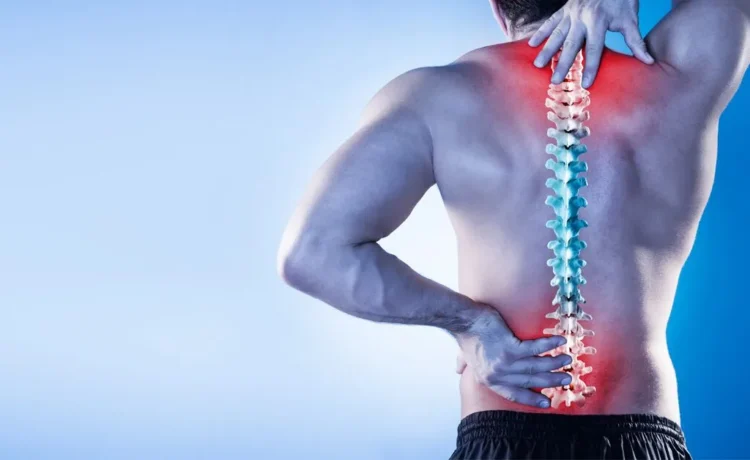
Chronic lower back pain is one of the most pervasive health challenges in modern society. Defined as pain that persists for twelve weeks or longer, even after an initial injury or underlying cause has been treated, it affects millions of adults globally. The lumbar spine is a complex structure comprised of interconnected bones, joints, ligaments, and muscles, all working together to support the weight of the upper body. When discomfort becomes chronic, it rarely stems from a single isolated trigger. Instead, it alters how the nervous system processes pain signals, turning what should be a temporary warning system into a continuous issue.
Navigating the landscape of treatments can feel overwhelming. Many patients cycles through multiple medications, therapies, and lifestyle changes without achieving sustained relief. Fortunately, medical consensus has shifted away from immediate surgical interventions and prolonged bed rest, which often worsen spine biomechanics. Today, the most successful approach centers on comprehensive, individualized care that combines movement therapies, interventional procedures, and behavioral strategies.
Physical Therapy and Active Rehabilitation
Physical therapy remains the cornerstone of chronic lower back management. While passive treatments like heating pads, ice packs, and massage can provide temporary comfort, they do not resolve structural or functional vulnerabilities. Active rehabilitation re-educates the musculoskeletal system, distributing daily physical loads more evenly across the body.
Structured Core Stabilization
The core is not just the abdominal muscles. It encompasses a complex cylinder of muscles including the transversus abdominis, multifidus, diaphragm, and pelvic floor. In individuals with chronic pain, these stabilizing muscles often fire late or fail to activate entirely. Physical therapists use specific, low-impact stabilization exercises to retrain these deep tissues, building an internal brace that takes the pressure off the lumbar vertebrae.
McKenzie Method and Directional Preference
The McKenzie Method is an internationally acclaimed system of assessment and therapeutics. A certified clinician evaluates how specific movements affect your pain. If repeating a particular motion, such as a gentle backward bend, causes the discomfort to move from your leg or outer hip closer to the center of your lower back, that motion is identified as your directional preference. Consistently practicing these tailored movements can alleviate nerve pressure and encourage disc healing.
Dynamic Flexibility and Joint Mobility
Chronic back stiffness frequently stems from tightness in surrounding structures, particularly the hamstrings, hip flexors, and thoracic spine. When the hips cannot rotate or flex fully, the lower back is forced to overcompensate by twisting or bending in ways it was not structurally designed to handle. Targeted stretching and mobility drills unlock these adjacent joints, restoring natural, fluid movement.
Interventional Pain Management Protocols
When physical rehabilitation is stalled by severe, debilitating pain, interventional treatments can provide a crucial bridge. These outpatient procedures are performed by specialized physicians, often using real-time x-ray imaging known as fluoroscopy to ensure pinpoint accuracy.
Lumbar Epidural Steroid Injections
If your lower back pain radiates down into your buttocks or legs, a condition frequently caused by a herniated disc or spinal stenosis pinching a nerve root, an epidural injection may be recommended. The physician delivers a potent anti-inflammatory corticosteroid medication directly into the epidural space surrounding the spinal nerves. While this injection does not repair the structural disc issue, it drastically minimizes localized swelling and chemical irritation, opening a window of relief that allows you to participate more effectively in physical therapy.
Radiofrequency Ablation
For individuals whose pain originates primarily from the small facet joints that connect each vertebra, radiofrequency ablation offers a long-term alternative. After confirming the joint involvement through temporary diagnostic nerve blocks, the doctor uses a specialized, heated needle to interrupt the function of the tiny medial branch nerves that send pain signals from the joint to the brain. This procedure can provide significant relief lasting anywhere from six months to two years, until the tiny nerve fibers eventually regenerate.
Pharmacological Management Strategies
Medication can be a valuable tool for managing flare-ups and keeping you mobile, but it should rarely be used as a standalone long-term cure for chronic lower back issues. Modern prescribing guidelines emphasize minimizing risks while maximizing daily functioning.
Non-Steroidal Anti-Inflammatory Drugs
Over-the-counter and prescription anti-inflammatory medications are frequently utilized to manage baseline discomfort. Because chronic pain often involves low-grade tissue irritation, these medications alter the chemical pathways that trigger swelling. However, chronic daily use requires careful medical oversight due to potential long-term side effects on the gastrointestinal tract and kidneys.
Muscle Relaxants and Neuropathic Medications
When acute muscle spasms lock up the lumbar region, short courses of skeletal muscle relaxants can break the painful cycle. For pain that involves nerve irritation, burning sensations, or numbness, doctors often prescribe specialized neuropathic medications. These drugs alter the way electrical signals pass through damaged or hypersensitive nerves, calming the overactive pain pathways without relying on traditional sedatives.
Behavioral and Mind-Body Interventions
The brain plays a massive role in how pain is perceived. Prolonged discomfort physically alters the central nervous system, making it hyper-vigilant and overly sensitive. Addressing the cognitive and psychological side of pain is just as vital as treating the physical tissues.
Cognitive Behavioral Therapy
Living with constant discomfort changes how you think and act. Cognitive behavioral therapy helps patients identify and dismantle maladaptive thought patterns, such as catastrophizing, which is the tendency to assume the pain will always worsen or never improve. By working with a therapist, patients learn practical coping skills, pacing techniques, and stress reduction methods that directly reduce the nervous system overall arousal state, lowering the volume of the incoming pain signals.
Mindfulness-Based Stress Reduction
Mindfulness teaches you to observe physical sensations without judgment or immediate panic. Chronic stress floods the body with adrenaline and cortisol, chemical messengers that tighten muscles and increase overall inflammation. Structured mindfulness practices, gently guided yoga, and specialized breathing techniques can soothe the autonomic nervous system, promoting systemic muscle relaxation and emotional resilience.
Surgical Options as a Final Consideration
The vast majority of individuals with chronic lower back issues do not require surgery. Less than five percent of patients find themselves as ideal candidates for structural spinal operations. Surgical intervention is usually reserved for clear mechanical issues that have failed to respond to months of conservative care, or situations where progressive neurological deficits, such as leg weakness or bowel and bladder dysfunction, pose an immediate medical threat.
-
Microdiscectomy: A minimally invasive procedure designed to remove a small piece of a herniated disc that is physically compressing a spinal nerve root.
-
Lumbar Fusion: A structural operation where two or more vertebrae are permanently connected using bone grafts and hardware. This eliminates painful motion at a highly unstable, degenerative joint segment, though it permanently alters the biomechanics of the remaining spine.
Frequently Asked Questions
Why does my lower back hurt more after a night of poor sleep?
Sleep and pain share a bidirectional relationship. When you do not enter the deep stages of restorative sleep, your body fails to produce optimal levels of growth hormones necessary for muscle and tissue repair. Furthermore, sleep deprivation triggers systemic inflammation and increases the central nervous system sensitivity, making your brain perceive existing spinal discomfort much more intensely the following morning.
Is it safe to lift heavy objects if I have chronic lower back pain?
Lifting can be entirely safe and even beneficial, provided it is executed with proper biomechanical form. The spine is inherently strong, but it is vulnerable when subjected to sudden, awkward twists or loads placed far away from your center of gravity. Utilizing a hip-hinge movement, keeping the object close to your chest, keeping your core engaged, and lifting with your legs allows you to move weight safely without overloading your lumbar joints.
How do I know if my chronic back pain is mechanical or systemic?
Mechanical back pain is influenced by position and movement; it typically improves when you rest or change postures and worsens with specific physical activities. Systemic back pain, which can be linked to autoimmune or inflammatory conditions like ankylosing spondylitis, behaves differently. It is often worst in the early morning, causes significant stiffness that lasts over an hour, and counterintuitively improves with movement and light exercise rather than rest.
Can changing my daily footwear reduce my lower back discomfort?
Yes, your footwear serves as the foundation for your entire skeletal alignment. Shoes that lack adequate arch support or possess overly rigid soles fail to absorb the shock generated when your feet strike the ground, transferring that kinetic energy directly up into your knees, hips, and lower back. High heels are particularly problematic, as they shift your center of gravity forward, forcing your lumbar spine into an exaggerated curve to stay upright.
Why does sitting for long hours feel worse than walking or standing?
When you sit, the load on your lumbar discs increases by up to fifty percent compared to when you are standing. Sitting forces the pelvis to tilt backward, flattening the natural inward curve of your lower back and overstretching the supporting ligaments. Walking, by contrast, naturally engages the core stabilizes, boosts blood circulation to the spinal discs, and spreads physical forces across the entire lower body dynamic chain.
How do spinal discs receive nutrients if they lack a direct blood supply?
Adult spinal discs are avascular, meaning they do not possess their own internal blood vessels. Instead, they rely on a process called fluid imbibition to survive. When you move, walk, and change positions, the changing pressure acts like a pump, squeezing waste products out of the discs and drawing fresh, nutrient-rich fluid in from the adjacent vertebral bones. This is why movement is absolutely essential for keeping discs healthy and hydrated.


