The Developmental Significance of Primary Teeth
A common misconception is that primary teeth, or baby teeth, do not require meticulous care because they eventually fall out. This assumption can lead to severe developmental setbacks. Primary teeth serve several critical functions that dictate the alignment and health of the adult dentition.
First, baby teeth act as natural space maintainers. They preserve the necessary gaps in the jawbone for permanent teeth to guide themselves into the correct positions. When a child loses a primary tooth prematurely due to decay or injury, the neighboring teeth naturally shift into the empty space. This migration blocks the path of the underlying permanent tooth, frequently causing impaction, severe crowding, or misalignment that requires extensive orthodontic treatment later in life.
Second, primary teeth are vital for functional development. Children rely on healthy teeth to pronounce words correctly and develop clear speech patterns. Furthermore, efficient chewing is necessary for proper digestion and nutrient absorption during rapid growth phases. Decay in primary teeth can make eating painful, leading to nutritional deficiencies or intentional avoidance of textured, healthy foods like fresh fruits and vegetables.
Preventive Interventions Unique to Pediatric Care
Pediatric dentists utilize targeted preventative therapies designed to protect highly vulnerable young enamel. Children are particularly susceptible to tooth decay because their enamel is thinner and more porous than adult enamel, and their dietary habits often include frequent snacking.
One of the most effective tools in the pediatric arsenal is dental sealants. Sealants are thin, protective plastic coatings applied directly to the chewing surfaces of the permanent molars, which typically erupt around age six. The deep grooves, or pits and fissures, on these teeth are highly susceptible to trapping food particles and microscopic bacteria. Sealants seal these microscopic crevices, preventing plaque accumulation and reducing the risk of molar decay by a significant margin.
Professional fluoride applications represent another cornerstone of early prevention. Pediatric dentists apply highly concentrated fluoride varnishes during routine checkups to strengthen developing enamel. This mineral treatment aids in the remineralization of weakened enamel surfaces before cavities can fully form, reversing early-stage microscopic decay.
Modifying Behaviors and Breaking Harmful Habits
Childhood is filled with natural habits that can permanently alter the structural development of the jaw and teeth if left unchecked. Pediatric dentists are trained to identify, monitor, and treat these issues before they cause permanent skeletal damage.
-
Thumb Sucking and Pacifier Dependency: While normal in infants, prolonged thumb sucking or pacifier use past the age of three can distort the shape of the upper jaw. This often leads to an open bite, where the front teeth do not meet when the mouth is closed, or a crossbite, where the upper teeth sit inside the lower teeth. Pediatric dentists offer compassionate behavior modification strategies and specialized appliances to help children break these habits gently.
-
Early Childhood Caries: Often referred to as baby bottle tooth decay, this condition occurs when a child’s teeth are frequently exposed to sugary liquids, including milk, formula, and fruit juice, for extended periods. This commonly happens when children are put to bed with a bottle. A pediatric dentist works closely with parents to modify feeding schedules and introduce proper oral hygiene practices before severe decay destroys front teeth.
Building Psychological Comfort and Eliminating Anxiety
Dental phobia is a significant barrier to care for millions of adults, and it almost always originates from negative experiences during childhood. Pediatric dentists complete an additional two to three years of specialized residency training beyond general dental school, focusing heavily on child psychology, behavior management, and pharmacology.
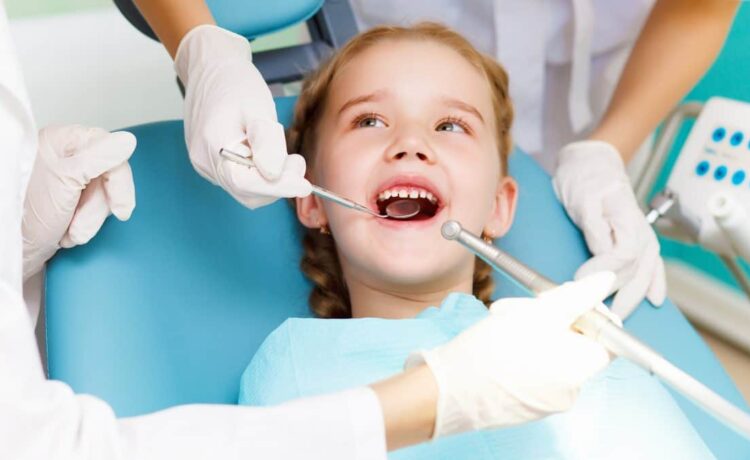
Pediatric dental practices are intentionally designed to mitigate fear. The physical environment features vibrant colors, child-sized equipment, and interactive reception areas to reduce the clinical feel of the space. More importantly, pediatric clinicians use specialized communication techniques such as the tell-show-do method. The provider explains the procedure in age-appropriate terms, demonstrates the tool on a fingernail or a toy, and then performs the task efficiently. By removing the element of surprise and making the environment predictable, children build trust with their provider, viewing dental care as a routine, non-threatening aspect of health maintenance.
The Long-Term Financial and Health Advantages
Investing in pediatric dental care yields substantial long-term benefits for both a child’s physical health and a family’s financial well-being. Regular diagnostic visits every six months allow specialists to detect asymptomatic issues through low-radiation digital imaging and clinical exams.
Catching an incipient cavity early allows for conservative, low-cost interventions like resin fillings or silver diamine fluoride treatments. Neglecting these early signs can allow decay to reach the inner nerve pulp, necessitating pediatric root canals, crowns, or extractions, all of which require greater financial expenditure and can cause emotional distress for the child. Furthermore, chronic oral infections in childhood can cause systemic inflammation and have been linked to complications in overall childhood wellness, including missed school days and impaired sleep quality.
Pediatric Dentistry FAQ
At what age should a child have their very first dental visit
A child should visit a pediatric dentist within six months of the eruption of their first tooth, or by their first birthday, whichever comes first. This early visit allows the dentist to evaluate jaw development, check for early signs of decay, and provide parents with tailored guidance on infant oral hygiene and nutrition.
How do pediatric dental X-rays differ in safety for growing children
Pediatric dental practices utilize high-speed digital radiography, which reduces radiation exposure by up to eighty percent compared to traditional film X-rays. Dentists use custom-sized, small sensors that fit comfortably in a child’s mouth and employ lead aprons with thyroid collars to ensure optimal safety during diagnostic imaging.
What is silver diamine fluoride and when is it recommended for children
Silver diamine fluoride is a non-invasive, painted-on liquid medication used to halt the progression of tooth decay. The silver component acts as an antimicrobial agent to kill bacteria, while the fluoride strengthens the remaining tooth structure. It is frequently recommended for very young, uncooperative children, or those with special needs, to delay or avoid invasive drilling and sedation.
Why does a child need a crown instead of a standard filling for a cavity
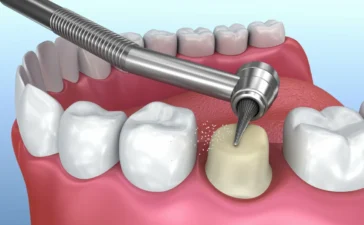
Children require crowns when tooth decay is too widespread for a standard filling to support the tooth structure, or after a pediatric root canal treatment. Because primary enamel is thin, decay spreads rapidly. A stainless steel or white zirconia crown covers the entire tooth, protecting it from breaking and ensuring it remains functional until it sheds naturally.
How should parents manage a permanent tooth that has been knocked out
If a permanent tooth is knocked out, it is a critical medical emergency. Touch only the crown of the tooth, never the root. Rinse it gently with water if it is dirty, and try to reinsert it into the socket immediately. If that is not possible, submerge the tooth in a container of cold milk or a specialized cell-preservation solution and head directly to a pediatric dentist within thirty minutes to maximize the chances of saving the tooth.
What are space maintainers and why are they prescribed
Space maintainers are custom-made metal or acrylic appliances fixed to the teeth after a primary tooth is lost prematurely due to decay or trauma. They hold the remaining teeth in their original positions, preventing them from drifting into the open gap. This ensures the underlying permanent tooth has adequate room to erupt naturally into its correct position.
Can a child receive sedation safely for complex dental procedures
Yes, pediatric dentists are highly trained in various levels of sedation to ensure safety and comfort during extensive procedures. Options range from mild nitrous oxide, also known as laughing gas, to oral conscious sedation and general anesthesia in a controlled hospital setting. The choice depends on the child’s age, medical history, anxiety level, and the complexity of the treatment required.